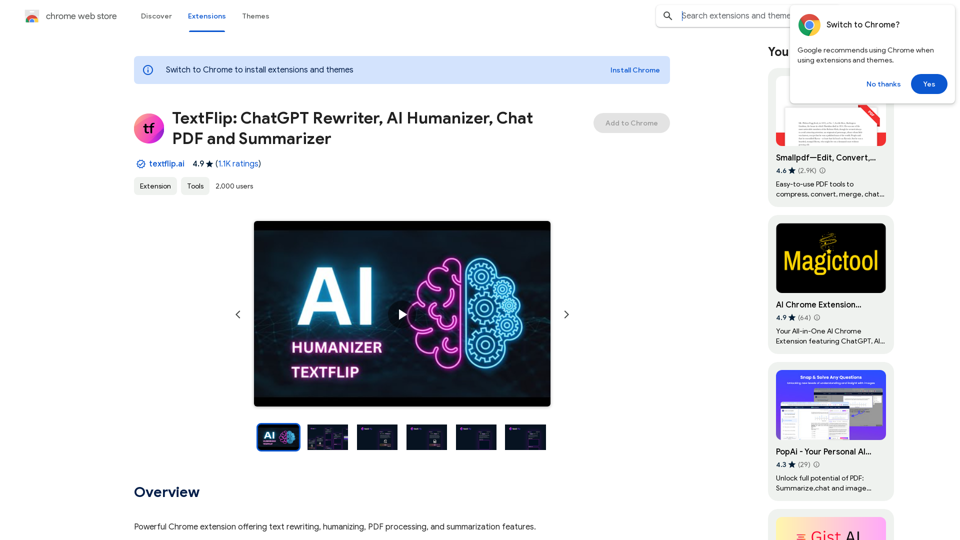
TextFlip is a versatile Chrome extension that leverages AI technology to enhance text processing and document management. It offers tools for rewriting, humanizing content, interacting with PDFs, and summarizing documents. This extension aims to streamline workflows, improve content quality, and save time for users across various text-related tasks.
TextFlip: ChatGPT Rewriter, AI Humanizer, Chat PDF and Summarizer
Powerful Chrome extension offering text rewriting, making it sound more natural, PDF processing, and summarization features.
Introduction
Feature
AI-Powered Text Rewriting
TextFlip utilizes advanced AI algorithms to rewrite and enhance text, improving quality and uniqueness. This feature helps users create fresh and engaging content quickly.
Text Humanization Technology
The extension's unique humanization feature adds a personal touch to content, making it more relatable and appealing to the target audience.
Interactive PDF Chat
TextFlip offers an intuitive chat feature for PDF documents, allowing users to interact with and extract information from PDFs effortlessly.
PDF Summarization Tool
The powerful PDF summarizer condenses lengthy documents into concise summaries, saving time and improving comprehension of complex materials.
Easy Installation and Use
Users can quickly add TextFlip to Chrome, pin it to the toolbar, and start using its AI-powered features after logging in.
Flexible Pricing Options
TextFlip provides limited free usage and offers a Premium Plan for unlimited access, catering to different user needs and budgets.
FAQ
Is a ChatGPT or OpenAI account required to use TextFlip?
No, a ChatGPT or OpenAI account is not necessary. Users can create a free account directly with TextFlip to access the extension's features.
Does TextFlip work in countries where ChatGPT is banned?
Yes, TextFlip functions in all countries, regardless of ChatGPT availability or restrictions.
Is TextFlip free to use?
TextFlip offers limited free usage. For unlimited access to all features, users can opt for the Premium Plan.
How can I start using TextFlip?
To begin using TextFlip:
- Click "Add to Chrome" and pin the extension to your toolbar
- Log in to your TextFlip account
- Select the desired feature
- Start working with the AI-powered tools
What are some helpful tips for using TextFlip?
- Utilize the rewriting algorithms to enhance text uniqueness and quality
- Apply the humanization feature to make content more relatable
- Convert PDF content into editable formats for further processing
- Use the PDF summarizer to quickly grasp key points from lengthy documents
Related Websites
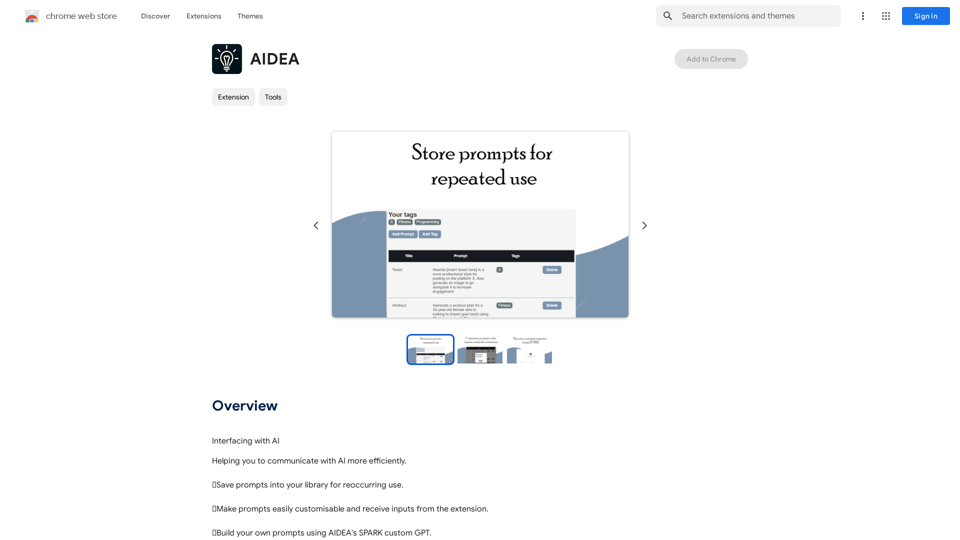
Interfacing with AI This document explores the various ways humans interact with artificial intelligence (AI). Types of Interfaces * Text-based Interfaces: These interfaces allow users to communicate with AI systems through written language. * Examples include chatbots, command-line interfaces, and search engines. * Voice-based Interfaces: Users interact with AI using spoken words. * Examples include virtual assistants like Siri, Alexa, and Google Assistant. * Graphical User Interfaces (GUIs): These interfaces use visual elements like icons, buttons, and menus to enable interaction with AI. * Examples include AI-powered image editing software and virtual reality experiences. * Gesture-based Interfaces: Users control AI systems through physical movements. * Examples include motion-controlled gaming and sign language recognition. Challenges of AI Interfacing * Natural Language Understanding (NLU): AI systems struggle to fully understand the nuances of human language. * Contextual Awareness: AI often lacks the ability to understand the broader context of a conversation or interaction. * Personalization: Creating AI interfaces that are tailored to individual user preferences and needs can be complex. * Ethical Considerations: * Bias in AI algorithms can lead to unfair or discriminatory outcomes. * Privacy concerns arise when AI systems collect and process personal data. Future of AI Interfacing * More Natural and Intuitive Interactions: Advancements in NLU and machine learning will lead to AI systems that can understand and respond to human input more naturally. * Multi-modal Interfaces: Future interfaces will likely combine multiple input methods (e.g., text, voice, gesture) for a richer and more immersive experience. * Personalized AI Assistants: AI assistants will become increasingly personalized, anticipating user needs and providing customized support. * Ethical AI Development: * Researchers and developers will continue to work on mitigating bias and ensuring responsible use of AI.
193.90 M
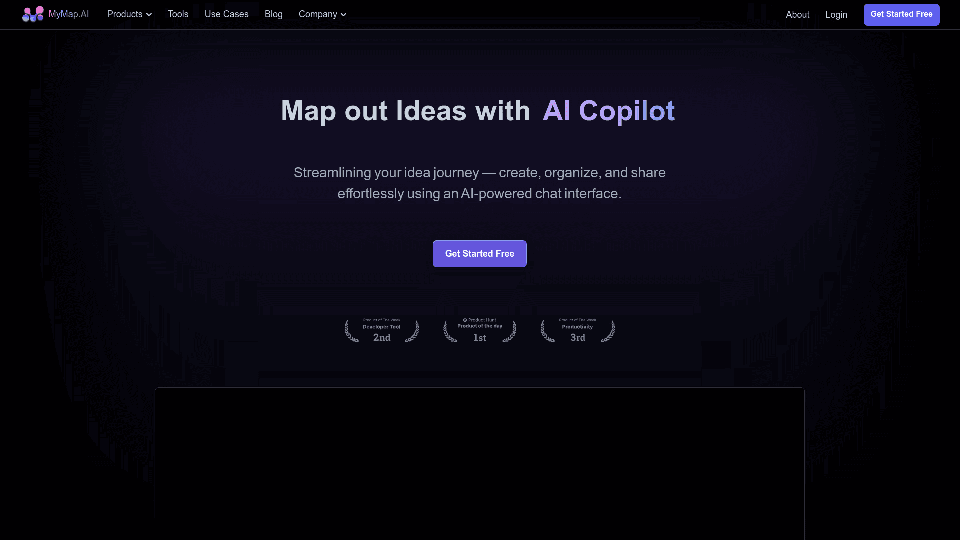
MyMap transforms your textual concepts into visual representations such as mind maps and presentations through a straightforward chat interface. It's perfect for students, educators, and professionals, requiring no design expertise. This tool saves you time by enabling effortless, collaborative visual creation.
1.04 M
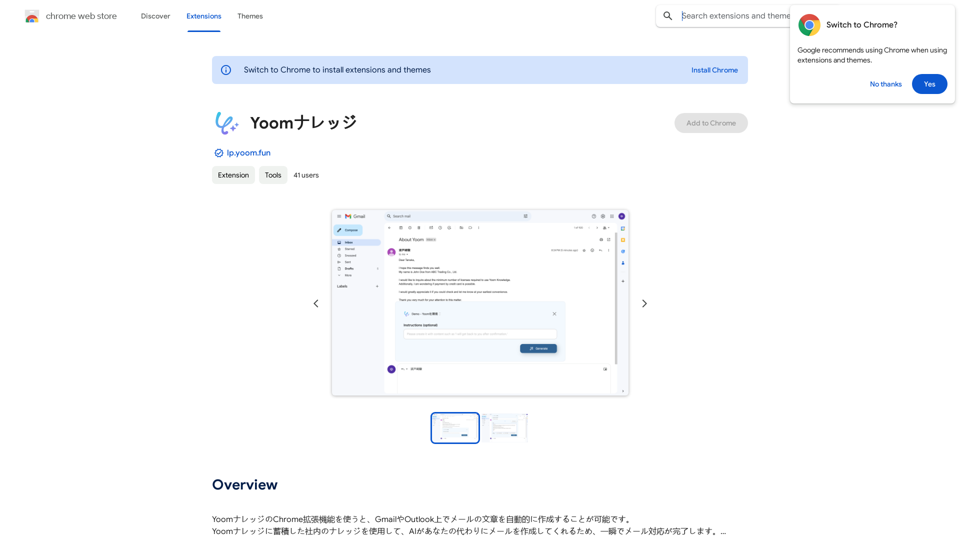
Using the Yoom Knowledge Chrome extension, you can automatically generate email content in Gmail or Outlook. AI will create emails for you using the company knowledge accumulated in Yoom Knowledge, allowing you to complete email responses in an instant.
193.90 M
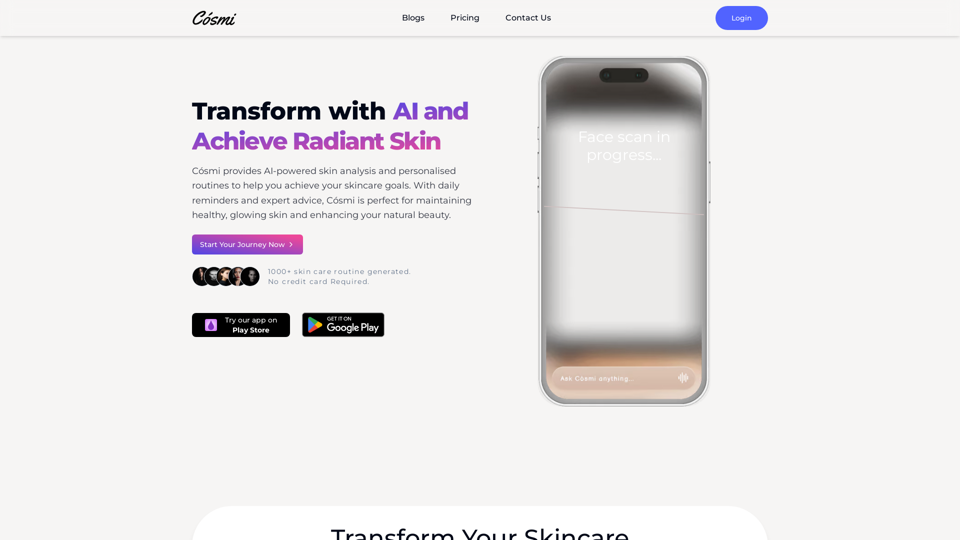
Cosmi | The Best AI Skincare Advisor You will Ever Need
Cosmi | The Best AI Skincare Advisor You will Ever NeedGlow with AI-Powered Skincare Solutions. Cosmi's advanced AI offers tailored, daily reminders and expert product recommendations.
0

An AI-powered travel companion that crafts personalized travel plans based on your preferences.
593.63 K
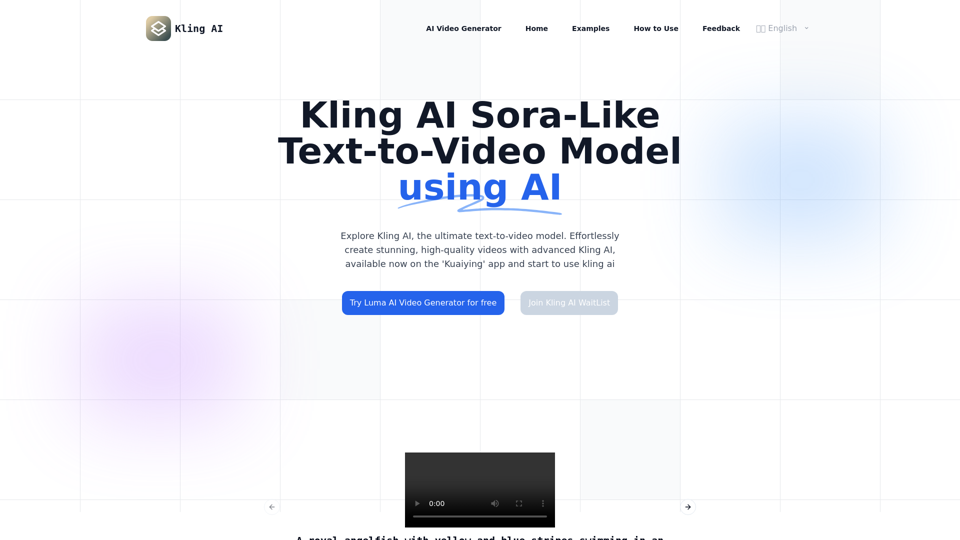
Kling AI | KuaiShou Text-to-Video Generation Model
Kling AI | KuaiShou Text-to-Video Generation ModelDiscover Kling AI, a revolutionary Sora-like text-to-video model. Create stunning videos with advanced 3D mechanisms and cinema-grade quality.
21.14 K