Yoom Knowledge is a Chrome extension that revolutionizes email composition using AI technology. It seamlessly integrates with popular email platforms like Gmail and Outlook, offering users a quick and efficient way to generate emails. This tool is designed to boost productivity and streamline communication for both personal and professional use.
Yoom Knowledge
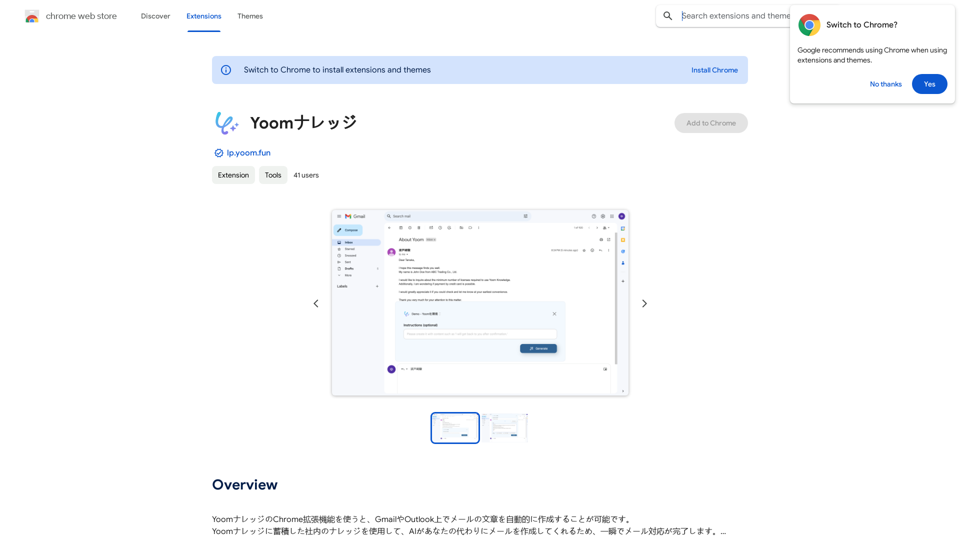
Using the Yoom Knowledge Chrome extension, you can automatically generate email content in Gmail or Outlook.
AI will create emails for you using the company knowledge accumulated in Yoom Knowledge, allowing you to complete email responses in an instant.
Introduction
Feature
AI-Powered Email Generation
Yoom Knowledge utilizes advanced AI technology to automatically create emails based on user input, significantly reducing the time and effort required for email composition.
Seamless Integration
The extension integrates smoothly with Gmail and Outlook, allowing users to leverage its capabilities within their preferred email platforms.
Versatile Application
Yoom Knowledge caters to a wide range of email needs, from business communication to personal correspondence, making it a versatile tool for various user requirements.
AI Chatbots and Learning Prompts
Users gain access to an extensive collection of AI chatbots and learning prompts, enhancing the email creation process and offering diverse communication options.
User-Friendly Installation
Getting started with Yoom Knowledge is straightforward - simply download and install the Chrome extension to begin using its features immediately.
Flexible Pricing Options
Yoom Knowledge offers both a free version with limited features and a paid subscription plan with additional functionality, catering to different user needs and budgets.
FAQ
What are the system requirements for Yoom Knowledge?
Yoom Knowledge is compatible with Google Chrome and requires a minimum of 100MB of free disk space.
How can I maximize the benefits of Yoom Knowledge?
To get the most out of Yoom Knowledge:
- Use it to create emails quickly and efficiently
- Experiment with different AI chatbots and learning prompts
- Automate repetitive tasks to increase productivity
- Consider upgrading to the paid subscription for additional features
What is included in the free version vs. the paid subscription?
The free version offers limited features and functionality, while the paid subscription plan includes additional features and enhanced capabilities. For specific details, users should refer to the official Yoom Knowledge website or documentation.
Related Websites
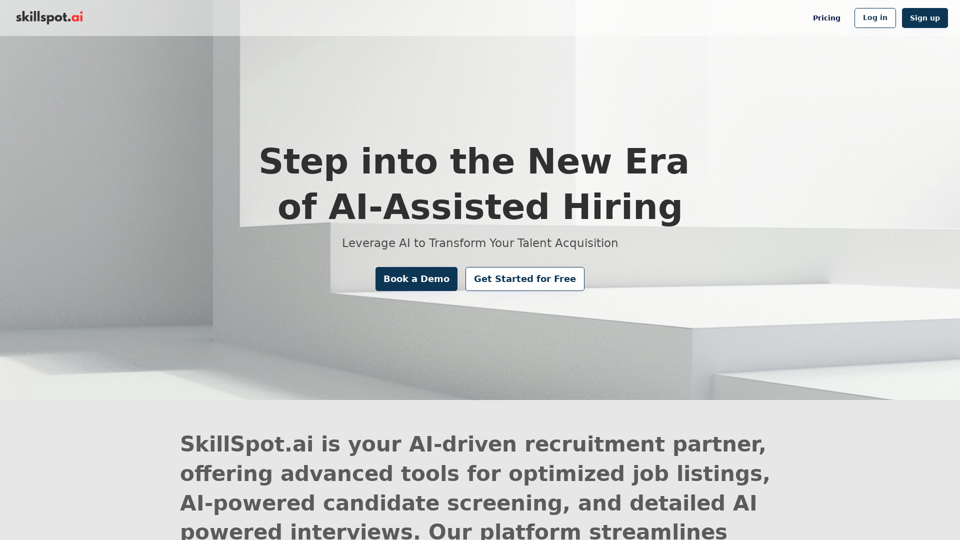
Discover SkillSpot.ai, an AI-driven recruitment solution transforming the hiring landscape. Experience AI-guided job listings, intelligent AI Powered candidate screening, and detailed virtual interviews. Embrace efficiency and precision in talent acquisition with our advanced AI tools. Book a demo today!
1.24 K
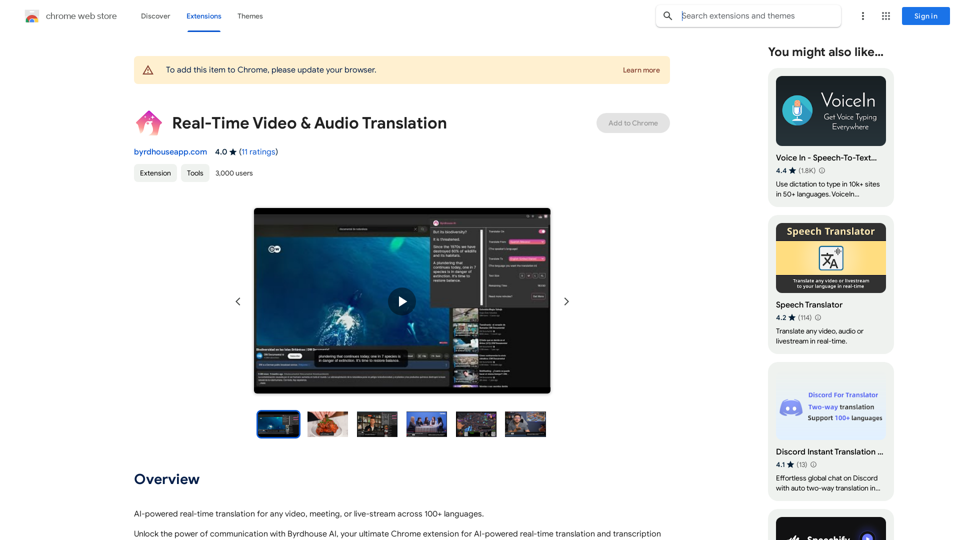
AI-powered real-time translation for any video, meeting, or live-stream across 100+ languages.
193.90 M
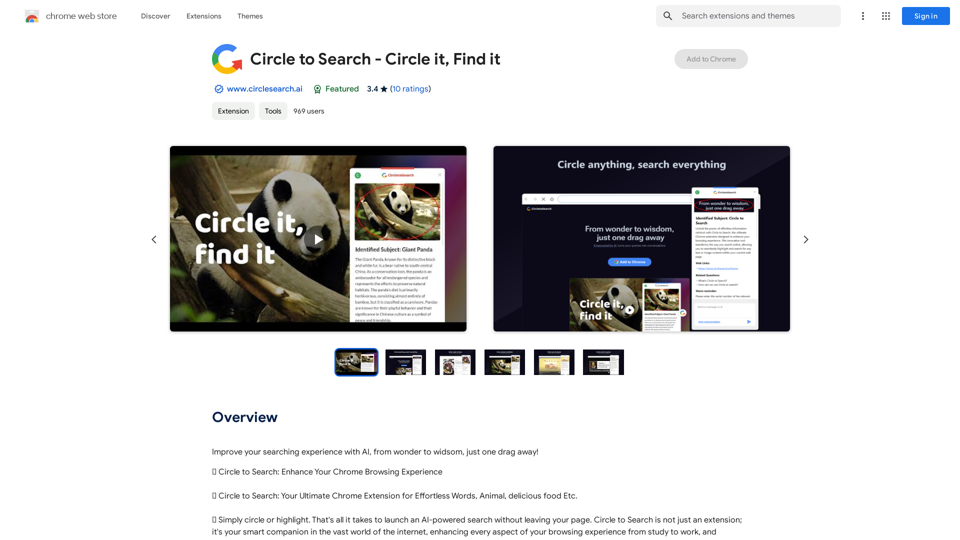
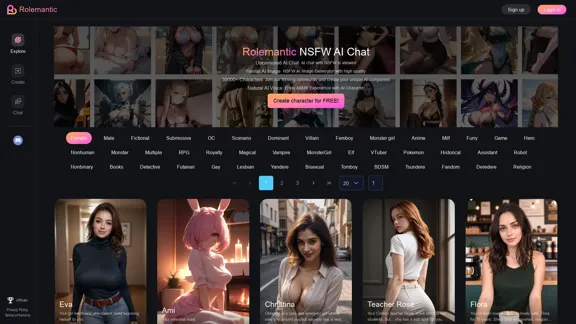
Rolemantic - NSFW Character AI Chat - NSFW Character AI Chat
Rolemantic - NSFW Character AI Chat - NSFW Character AI ChatExplore the fantasy realm of Rolemantic. Our unrestricted adult AI chatbot enables you to experience AI-powered flirtatious messaging, explicit conversations, and imaginative roleplaying at no cost.
1.03 K